
Ihram Rules: What Is Ihram, What Is Forbidden & Everything UK Pilgrims Need to Know
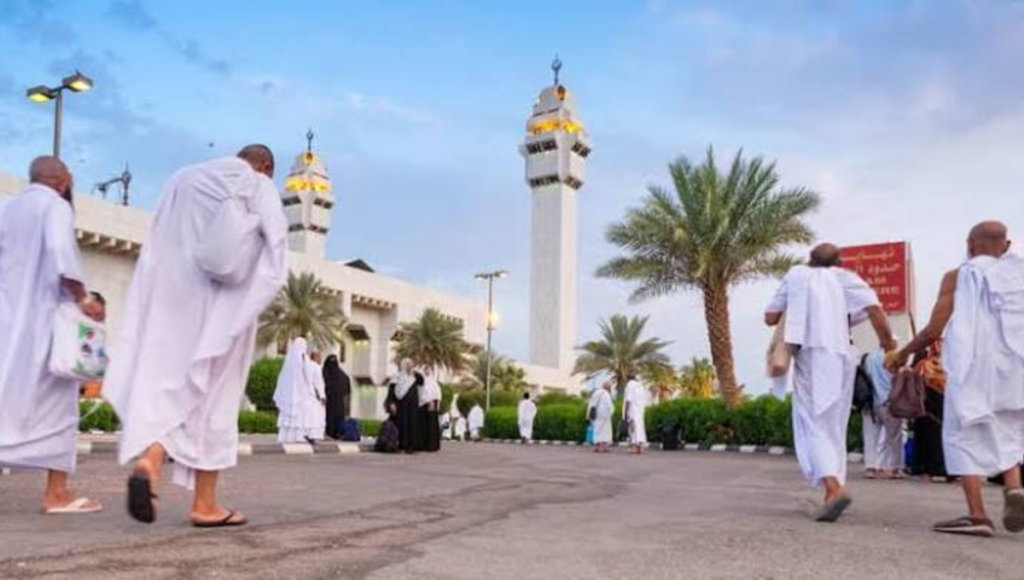
Ihram is the sacred spiritual state that every pilgrim must enter before performing the rituals, before Sa’i has begun, before any rite of Umrah has taken place. Halq is the final step to the sacred state that legitimatizes all acts of Umrah, its performance matters more than almost anything else you prepare for your journey. Pilgrims from the UK who arrive in the country for their first ever umrah know what to expect in broad terms: men wear white clothes, women dress modestly, certain things are forbidden. What is hazy and covered in full in this guide are the details behind those basics. What is Ihram and why does it exist exactly, what becomes haram when you enter it, practicalities, how do you sleep, go to the toilet etc. and if something goes wrong with Ihram. What Is Ihram? Ihram refers to the state of purity in which Muslim Pilgrims are obliged to enter before their pilgrimage, as well as the actual garments worn by pilgrims performing Hajj and Umrah. It should state the obvious: The word originates from its Arabic root haramas in forbidden or sacred, since entering into Ihram makes things that were once allowed to be forbidden and therefore at once sanctifying the pilgrim as one who has stepped out of ordinary life temporarily for higher ideals. The prophet ﷺ said about Ihram garments: Do not wear shirts, turbans or trousers or hooded cloaks or shoes except that one who cannot find sandals (should wear them); but let him shorten them from his ankles down. (Sahih Bukhari 1542) When a worshipper enters in prayer, he begins with Takbeer but thereafter there are restrictions on him; similarly a pilgrim goes into Ihram of Umrah and thereafter from that moment until the pilgrimage is completed he has certain restrictions enforced upon him. Ihram is in reality not just an attire. This is a method of spiritual orientation all the way through. The apparel on men is white cloth all around which stands everyone similar to the person next to him; every pilgrim appears as someone with no possessions, no symbols of rank, there is not one king or factory worker standing apart from each other. This equality is serious and one of the strongest things about standing at the Haram. How to Enter the State of Ihram A pilgrim does several things before he puts on Ihram. It is strongly recommended (Sunnah) because of evidence from the Prophet ﷺ which has been reported by many Companions. For instance, if Ghusl cannot be performed by an ailing person or someone who has other justifiable reasons, the pilgrim can enter Ihram without performing Ghusl and their Umrah would still count. Before Ihram, wearing perfume is allowed and it is sunnah. Essentially, you must put perfume on the person before putting your Ihram on not putting it on the clothes themselves. Using perfume on clothes when putting on Ihram is completely prohibited. Your fragrance at the time and also afterwards when you are in Ihram must be none. Nails must be cut, and body hair removed before entering Ihram for men as these are not permissible once the state has commenced. Then the intention (niyyah) for Umrah is made and thereafter Talbiyah: Labbayk Allahumma Labbayk, Labbayk la shareeka laka Labbayk, innal-hamda wan-ni’mata laka wal-mulk lab-yad. It should be recited from entering Ihram until commencing Tawaf. For a UK pilgrim flying to Jeddah, you will usually be crossing the Miqat (the point at which Ihram must be entered) whilst you are still in the air. Pilgrims are typically advised well before crossing the Miqat to have completed changes into their Ihram clothes and made their intention prior to crossing the Miqat, which is usually announced by airlines operating Umrah routes. Men’s Ihram: What to Wear For Men, Ihram is two unstitched white plain cloths. The rida, covering the upper body and draped over the left shoulder and under the right. The izar ranges from the waist down about the lower body. However, neither cloth is sewn together or tied/tacked with pins even if you wear a money belt or waist belt. Men are also supposed to stay away from any type of head covering during Ihram. No cap, no turban, nothing on the head. The shoes can not be covered at all on the top of the foot or ankle; only open sandals. As in the above hadith, if sandals are not really available shoes are allowed to wear after cutting below ankle level. Ihram clothing doesn’t have to new; it just needs to be unsoiled. Your Ihram can be washed throughout the journey and you would wear them once again, changing or washing your clothes do not break the state of Ihram. Women’s Ihram: What to Wear Women, on the other hand, have a way more simplistic approach to their Ihram. Women are also allowed to dress in any modest loose fitting and generally ample covering article of clothing that covers their body, but nothing is mandated there is no color or specific garment, however white is a common colour. Main conditions are: loose fitting cloth, non-translucent and covering all of the body except for face and palms. Women must keep their faces uncovered. It is prohibited to wear niqab or face veil (purda) in the state of Ihram. Which is proved in the hadith of Ibn Umar: The Messenger of Allah (ﷺ) forbade the woman pilgrim to cover her face. While some scholars allow a woman to drop her head covering over her face when in the presence of non-related men (effectively, lowering her veil), a true niqab is forbidden. Women must not wear gloves. Just like in the case of a face, the hands should not be covered during Ihram. Women must cover their hair. Ihram forbids head covering, but a hijab is obligatory and the head must be covered throughout your time in Ihram. Menstruating women can wear ihram and do all that they have to until the
How Do You Work Out Zakat? A Complete Guide for Muslims in the UK
The link between Zakat and Umrah is something that, firstly, I feel we don’t always talk about the meaningful connection. Zakat, is one of the five pillars of Islam and it is compulsory for every Muslim whose wealth meets a certain minimum level. Umrah is a non-mandatory pilgrimage, but one that only becomes realistically attainable when the money aspect of a Muslim’s life is such that they can afford to plan and pay for it. Often, the same Muslim that sits down to work out how much Zakat is due on them is the same Muslim who is now starting to ponder at what point in time they may be able to travel/afford a ticket to Makkah. Knowing how to calculate Zakat correctly is a goal in itself because it is not just charity, but also an obligation. It does however help you to get a clearer view of exactly where you are financially which is directly important for planning an Umrah trip. However, the Zakat is an obligatory action if your wealth has reached Nisab threshold and a complete lunar year has passed. If you have savings consistently beyond that amount, you’re probably good to go looking at umrah packages available from UK companies who can handle your budget accordingly. This step by step guide explains how to calculate Zakat in the clearest, most transparent manner possible with worked examples for UK Muslims wanting to get this right. How to Figure Out Zakat on Your Wealth Finding everything you own that is zakatable wealth and then deducting all immediate debts from those totals before simply applying the 2.5% rate on top of whatever remains (assuming it’s above nisab has been owned for a full lunar year, at minimum). For UK Muslims zakatable wealth can be generally classified as follows: Cash and bank savings It includes instant access accounts, savings accounts, cash in the house or any money that you have sitting in fixed-term deposits and ISAs. Any cash in your possession for a lunar year is zakatable as liquid cash. Investments When dealing with shares, stocks, unit trusts and similar holdings, they are to be zakat from their market value at your Zakat taking place date. Pension funds are a more nuanced topic where academic debate exists, we recommend consulting an expert qualified to give precise Islamic advice on pensions. Business assets stock that is intended for sale shall be zakatable and its value based on current market prices. The equipment, premises and tools used by an entrepreneur in running the business are normally not zakatable. Trade receivables (money owed by customers of your business) become zakatable once it is reasonable to expect payment to be received. Debts owed to you money that people owe you and which you expect to receive on a periodic basis is zakatable. We generally exclude money that is unlikely to be recovered, though scholars disagree on this. Deducting debts from your calculation You have zakatable assets and tax has to be paid at 2.5% of the total amount (after deducting any immediate liabilities,). Existing debt is the debt that you carry on credit cards, short term loans or for bills which are already overdue. In most cases, you should exclude debt that is currently due and able to be offset from long-term obligations, as your mortgage burden (and I think most scholars would argue that the monthly payment obligation can deduct the monthly payment obligation alongside offsetting total loan amount outstanding.) How Do I Calculate Zakat on Gold? It is also still the one of the most commonly misunderstood areas of Zakat calculation for UK Muslims as many households own gold jewellery instead of bars or coins, which has been subject to conflicting scholarly opinions over whether it is zakatable. The Hanafi position According to, gold jewellery with nearly all South Asian Muslims in the UK, is zakatable regardless of whether they wear it currently or store it. You are obligated to pay Zakat on your gold jewellery if it meets or adds up to the Nisab threshold. To calculate Zakat on gold jewellery: The first step is to calculate your gold weight in grams. A jeweler can do this for you if you do not have an exact scale. Be mindful about the karat of gold. In all cases, 24k is pure gold, 22k is 91.7% gold and 18k is 75% gold. Now multiply the weight into the purity percentage to extract the pure gold content. Multiply the answer by the current price of gold per gram in the market for calculating its value. I.E: 50 grams of 22k gold jewellery contains 45.85 grams of solid gold. The value of that jewellery you have is approx £2,980 and the gold price is about £65 a gram (find the current rate on your Zakat anniversary date). When you are calculating your total zakatable assets, add that amount in with the other zakatable assets. Using gold prices from your actual Zakat anniversary date Gold can swing week to week considerably (and using antiquated pricing is incorrect). In GBP, UK gold prices are available every day from, for example, the London Bullion Market Association (LBMA) published by a simple search on your chosen calculation date. How Is Zakat Calculated? Once you have identified your zakatable assets, the Zakat calculation is a simple process. Step 1: Establish your Nisab threshold Nisab is the minimal amount of wealth an individual is eligible for Zakat assessment. Either 87.48 grams of gold, or the equivalent value (612.36 grams) of silver defines it. All that you need is to get over one of those thresholds. As a point of Guide (the gold Nisab is between £5,000 to £6,000 in GBP depending on the price of gold and the silver Nisab is about £416 to £550). The silver Nisab is generally utilized among Hanafi Muslims, the threshold for eligibility is lower, so more people are eligible, resulting in more Sadaqah being directed to those who need it. Other madhabs utilize
The Complete Guide to Istikhara Dua for Umrah (Steps & Supplications)
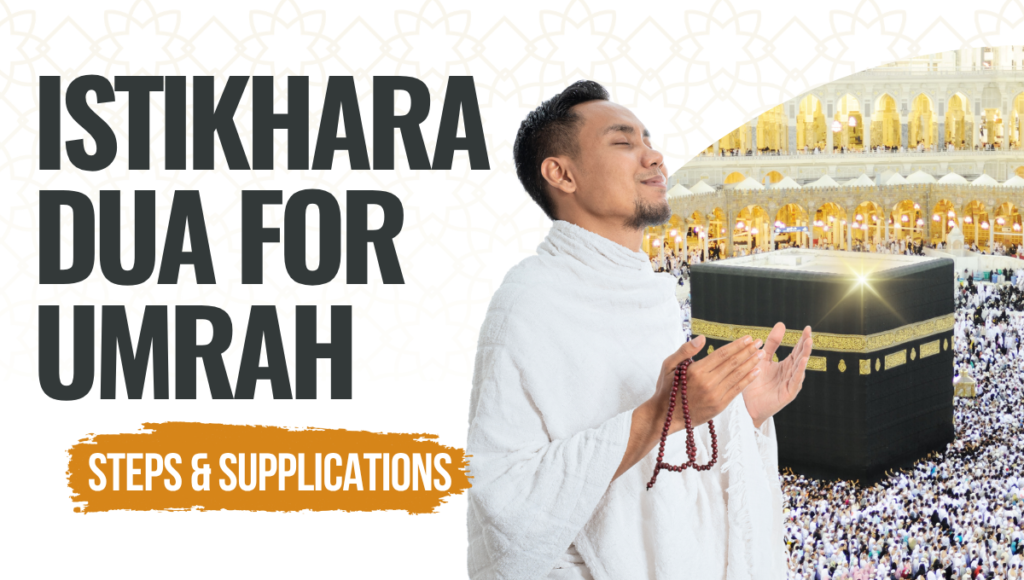
As such, there comes a moment most UK Muslims reach when planning Umrah (after booking it of course) It is moment when you have chosen the right dates, stayed within budget, and have a clear intention. But something holds you back. A quiet uncertainty. An unanswered question in your mind; is this the time to? This is precisely the moment Istikhara was made for. Istikhara is one of the most practically useful acts of worship in Islam a prayer specifically designed for times of uncertainty. Not for the easy calls, not for the obvious answers, but for the ones where you really do not know the way forward and need something more than your own reason to resolve it. The Prophet ﷺ emphasized its importance by teaching it to his Companions with the same care as a chapter from the Qur’an. This guide will discuss what is meant by Istikhara, how to practice Istikhara properly (the complete dua for the same with Arabic and English translations), what you can expect from Istikhara, and the relevance of this process to your decision for Umrah. What Is Istikhara? The word ‘Istikhara’ originates from an Arabic root that means seeking goodness or guidance in a decision. Basically, making Istikhara is like seeking Allah to provide guidance and advice on something that may go really well for you or to protect you from an outcome that may lead to harm or regret. Salat al-Istikhara includes two rakahs of voluntary prayer with the intention that it is done to seek divine guidance alongside the Istikhara dua through which you can pour your particular matter in front of Allah. It is based upon a genuinely narrated hadith attributed to Jabir ibn Abdullah, which can be found in Sahih al-Bukhari. Narrated Jabir bin Abdullah: The Messenger of Allah (ﷺ) used to teach us the way of doing Salat al-Istikhara for all affairs just as he would teach us a chapter from the Qur’an. This detail is significant: teaching it like a chapter of the Qur’an shows that Istikhara was intended for every Muslim Istikhara is something that the Prophet ﷺ did not only do once, he did not consider it to be an elite act. It was something he taught as a thing every Muslim should know, strive to reach and ask about regularly like they would Surah al-Fatiha. When Should You Perform Istikhara for Umrah? Umrah is a journey of important decisions when to go, which package to book, whether the timing is right for your family, your financial needs and health. And if you come across a difficult situation in life, and you find it impossible to make up your mind, then ask Allah by praying Istikhara. Whether deciding on a career move, considering a marriage proposal, buying a house, or making any life choice, purchase a new house and settle any kind of issue; no one can guide you as genuinely well as Allah. When it comes to performing Umrah, the point in time that is quite evident in carrying out Istikhara is when making the trip is something that you have considered and are thinking about, but have not made the final decision, even when you have managed to fix dates, have seen packages from the travel agencies in the UK and the idea is becoming more tangible in your mind than other ideas for other destinations. The best use of istikhara is not to make it the last thing you do when all else fails, but rather something so natural to how you approach decision-making that it becomes your foremost response- where every major decision made is oriented toward Allah. Start before the pressure begins. For major decisions, pray Istikhara days in advance as opposed to the night of your deadline. The Conditions for Performing Istikhara There are some conditions applicable to Istikhara before you perform it – same condition which is applicable on any non obligatory prayer. Ensure you are in a state of physical purity with fresh wudhu, sit in a clean environment, and face the direction of the Qiblah. You must have a sincere intention, seeking Allah’s guidance and intending to follow His decree, and intending on truly following Allah’s command wherever it leads. One should learn how to pray Dua Istikhara cause we are always gonna need it in any matter of our lives. Although there is no required time of day to perform Istikhara, many scholars recommend avoiding the three disallowed times for prayer (after Fajr until mind-day, when the sun is directly overhead at mid-day until it passes its zenith, and after Asr until sunset). Istikhara can be performed anytime outside of these time periods. Step-by-Step: How to Perform Istikhara Step 1: Make Wudu Perform anew the wudu as if you were performing the regular Istikhara dua prayer, as found in Sahih Al Bukhari Hadith 1166. Step 2: Set Your Intention Be clear in your mind as to what specific thing you will be beginning with. In the case of Umrah, an example is: My intention is to offer two rakats of voluntary prayer and make a request from Allah to perform Umrah at this particular time. It does not have to be said aloud (mentally). Step 3: Pray Two Rakats In here you state that the two rakats of sunnah (not fard [obligatory] prayer) are to be performed as you always have done. Offer two rak’ahs of Naafl prayer. You can read any Surah after the Surah Al-Fatiha in each rak’ah. Then in each rakat, You can recite any surah you like from yourhj mind after surah al Fatiha. There is no specific Surah to be recited from either. Step 4: Praise Allah and Send Salawat Guidelines in an participated text of dua with me, i.e. Istikhara according to sahih al-Bukhari: After Salams Raise both hands Glorify Allah Exalting Allah with His greater Names and Recite the sentences of Salawat upon the Prophet ﷺ Step 5: Recite the Istikhara Dua This is where real
What Is Umrah? A Complete Guide for UK Muslims
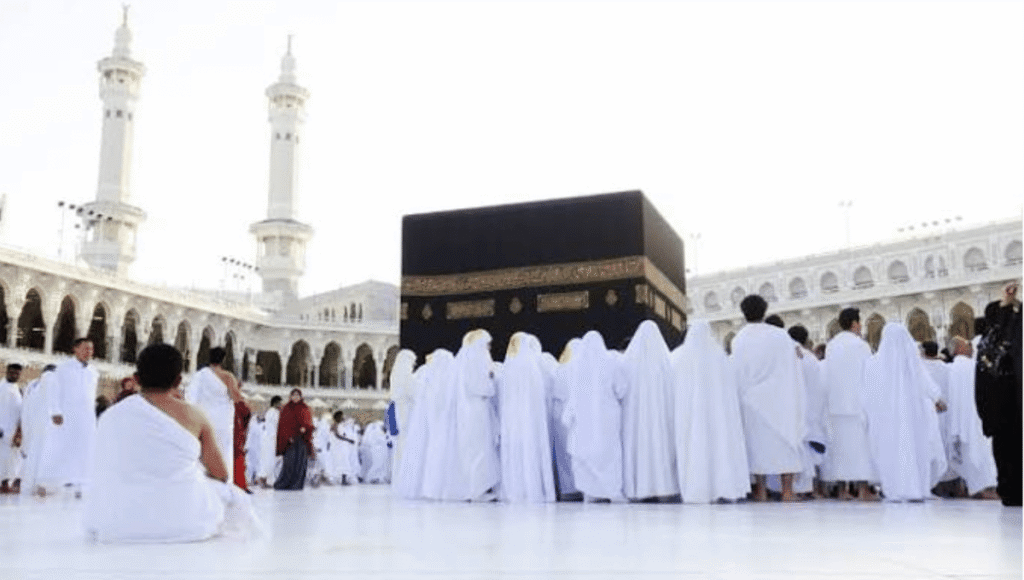
It is the second holy trip of course, and with millions of Muslims around the world Umrah is becoming one of top special trips available to this date. The journey of this pilgrimage to the holy city of Makkah, in Saudi Arabia, is a spiritual replenishing trip to the holiest mosque on earth and an opportunity to be closest to the Kaaba back home revitalised like no other. In contrast to Hajj, which is a compulsory part of the life cycle for all able Muslims and can only be done on specific dates in the Islamic year, Umrah can be performed almost any time during the year. This flexibility can make it much easier for UK Muslims who need to juggle annual leave, school terms and family commitments. Sometimes, it is referred to as the minor pilgrimage, the minor meaning that it is shorter and also not obligatory, not in lesser spiritual terms. He said that the Prophet ﷺ said: Umrah is an expiration of sin between it and the revious umrah. (Sahih Bukhari and Muslim). To many, this is reason enough for UK Muslims. What Is the Meaning of Umrah? Umrah is literally from the Arabic word which means to visit a populated place. It is a non-obligatory (Sunnah) pilgrimage to Makkah consisting of the specific act(s) Ihram, Tawaf (circumambulation), Sa’i and Halq or Taqsir in servitude to Allah. The term Umrah, often referred to as the lesser pilgrimage, is a highly recommended Sunnah rather than a mandatory obligation like Hajj. But so minor can be deceiving. As the Prophet ﷺ said in Islamic tradition, Umrah during Ramadan is equivalent (in reward) to Hajj with me which tells how important this specific act has. An Umrah is a personal act of worship for UK Muslims, something many save towards for years and hold as an intention during much of their adult lives before they finally make the pilgrimage. Who Can Perform Umrah? Regardless of whether one is male or female, young or old, Umrah can be performed whether for the first time or for the fifth. Hajj is the no-age, no-quota pilgrimage. However, certain conditions apply. You must be Muslim. You are to be of mental capacity. You should be focused with intention at all times to perform pilgrimage for The sake of Allah. And you must be physically capable of carrying out the rituals, although Islamic rulings do take into consideration those with medical conditions or with physical limitations. For women travelling from the UK, rules have radically changed in recent years. Women of any age can now perform Umrah without a Mahram male relative that does not require supervision while traveling and staying. This is a genuine shift away from the old rule that women under 45 must be accompanied by a Mahram; this means that many UK Muslim women, who found it logistically difficult, now have access to Umrah. For children, Umrah has no age limit that you have to realize. The physical rigor and spiritual legitimacy are an accepted element of what many UK families endure travelling with dependents or younger children. When Can You Perform Umrah? Hajj Vs Umrah: One of the profound differences between hajj and umrah is that almost any day in a year umrah can be performed. The only exceptions are the set days of Hajj itself when those travelling for Umrah cannot enter Makkah. In 2027, we expect Hajj to fall from late June until the very start of July; therefore there is a short timeframe that will comprise one of these breaks during such time this phase where Umrah travel stops. Beyond that, the rest of the year is flexible, and many UK Muslims choose to perform Umrah during peak periods: Ramadan is the period where spiritual energy will be at its highest, and the return For worship multiplied. With Saudi authorities confirming 904,000 pilgrims undertaking Umrah on one day in the first week of Ramadan 2026 alone, it gives some indication as to just how busy this part of the year can get. December: Families avoiding school absence make late December a popular travel window. November and October are the months with the lowest crowds at the Haram and their prices are also relatively cheaper. Perfect for devotees looking for a serene, concentrated experience. Summer July and August coincide with the UK school summer holidays making them convenient for families, although daytime temperatures in Makkah constantly top 40°C. What Are the Main Steps of Umrah? It consists of four main rituals that are performed sequentially. Collectively, these last anywhere from two to four hours, depending on the crowd level of the Haram. Ihram Ihram is a state of spiritual purity, and is the name of the simple clothes worn whilst in this state. You will need to make the intention (niyyah) for Umrah or Hajj and change into Ihram clothing before crossing several boundary points, called Miqat for pilgrims flying to Jeddah from the UK this is usually during the flight. Men put on two pieces of simply un-stitched white fabric and ladies wear common modest clothing. Faces and hands of women stay uncovered And certain things you are becoming haram on being in Ihram till the state is over, like perfume application, cutting nails and hair, or marital relations.Talbiyah (Labbayk Allahumma Labbayk) is recited continuously from the Miqat until Tawaf. Tawaf That is to make Tawaf around the Kaaba in a counter-clockwise motion, starting and ending at the Black Stone (Hajr al-Aswad) for a total of seven circuits. You start the next cycle aware of where you stand before the Black Stone, and uttering your first words there: Bismillah [In the Name of Allah], Allahu Akbar.No need to recite any special dua or anything in that particular round, just recite whatever comes on your mind or the thing you wanna put forth before Allah and continue with the circling. Once this is done after finishing all seven circuits pilgrims pray two rakats preferably at Maqam e
Zamzam Water: The Sacred Miracle That Has Flowed for 4,000 Years
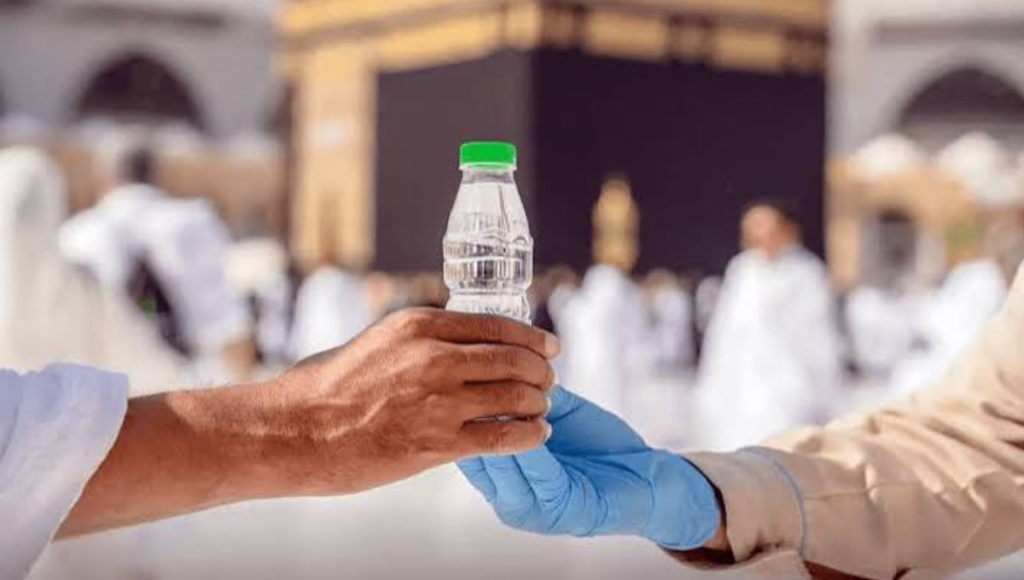
Well, there is a moment that nearly every single pilgrim returning to their respective homes from performing Umrah or Hajj speaks about in the same manner. Hidden in their luggage, gingerly wrapped, is a bottle. Sometimes several. They go on a plane with it, through the airport with it, home in the car with more care than anything else they packed. And when they find it, they pass it around. With parents, with children, with neighbours, with friends too unable to make the journey alone. That bottle is Zamzam water. It is just so much more than that. Zamzam water, the only water that has poured out of one holy well under Masjid al-Haram at exactly one spot near the Kaaba itself for over 4,000 years. It had fed pilgrims, carried, traversed mountain ranges and continents alike, given to the sick and placed on the lips of infants as a first drink. Nowhere in the history of the world, nor in its spirituality and surely not in the unique (and extraordinary scientifically proven) physical qualities they claim it harbors, is there water like that anywhere else. This article covers how Zamzam came to be, what the Prophet ﷺ said about it, what modern science reveals, and what every pilgrim from UK should know before going there. The Miraculous Origins of Zamzam Water The Zamzam water miracle happened with Hajar (RA), the wife of Prophet Ibrahim (AS) mother of Ismail (AS). Prophet Ibrahim (AS) left his wife Hajar together with their newborn child Ismail in the open deserted heat of the desert, they were in dire need of water. As mentioned before, Hajar did not experience a miracle during her search for water and so she quickly ran seven times between the hills of Safa and Marwa. It is not just a chronology of the past. It underlies the second most physical ritual of Umrah and Hajj the Sa’i, the seven laps of walking between Safa and Marwa each person performs honoring the memory of what Hajar did at that critical moment. This was a final submission, and at that moment Allah sent the Angel Jibreel (AS) to strike down his wings on the desert ground in Makkah. Then there is Zamzam water flowing. This type of water is called Zamzam water because when Hajar would call out Zom! Zom! (Stop! Stop!) when the water was still pouring out, she feared that there would not be enough. That name, a mother’s plea to dam a miracle lives on these waters over millennia. This well would be at the center of life, in a barren valley that would become Makkah from then onwards. Tribes came for the water. A bustling city gradually developed surrounding the well. And the Ka’bah, which would be raised next to it by Ibrahim and Ismail. The Zamzam well is not only tied to Islamic history. On a very literal level, why does Jeddah even exist? What Happened to the Well After Ibrahim (AS) And gradually, they grew accustomed to pious ways of Makkah. Makkah entered an era of harsh tribal conflicts and cruelly, Jurhum was the first tribe who lived native there. They knew the importance of zamzam and they buried the well of Zamzam to deprive its benefits from the conquerors. Zamzam was never reopened: it slowly just became forgotten. A number of generations passed by in Makkah after the Zamzam was lost to utter oblivion. Historians record that the well was rediscovered by the Prophet’s grandfather, Abdul-Muttalib, after a series of dreams guided him to its exact location. Once he finally found the well, he was then honored with the Zamzam water to serve the pilgrims. This marked the historic restoration of the sacred well. Hence, it is no coincidence that the Prophet ﷺ was born from those who rediscovered and defended this water. Prophetic Sayings Regarding the Virtues of Zamzam The ahadith on Zamzam are among the most rigorously narrated in our tradition and they describe beautifully what this water is, and does. To this, the Prophet ﷺ said: «Best water on earth is Zamzam water; in it there is a food and a healing for sickness» (Saheeh al-Jaami, 3302) The Prophet ﷺ also said: “The water of Zamzam is for whatever purpose it is drunk for.” This Hadith highlights the spiritual power of Zamzam, showing that when drunk with sincere intention—whether for healing, knowledge, or nourishment—Allah fulfills the believer’s desire. This second hadith is one of the most beloved in Islamic tradition, not for the promise of a magic water but through linking this to intention. That water, with different dua was drunk, carried the blessings of Allah as well. A person who drinks it to heal themselves is performing an act of a different spiritual nature than a person drinking this to gain knowledge. Both are valid. So is answered, with Allah’s permission. It is narrated that the Prophet ﷺ carried Zamzam water to Madinah, using it for drinking, healing, and ablution (wudhu), illustrating its great importance in his life. What Science Has Found About Zamzam Water While Zamzam water holds deep spiritual significance in Islam, modern scientific research also highlights its unique physical properties. As per some scientific studies, Zamzam water has several unique health benefits resulting from the concentrated presence of essential minerals like calcium & magnesium. Additionally, its natural fluoride levels provide effective germicidal properties. According to scientific studies, Zamzam water has an average of 366 mg/l bicarbonates making it the second purest natural waters on earth. The well was nearly 30 meters deep. It picks up minerals along the way as it passes through natural rock formations. It is also a well documented scientific fact that water bodies like ponds or wells are prone to vegetation growth, including algae peaking especially in warm temperatures. Unlike typical open wells, Zamzam is completely free from algae growth and biological contaminants. One of the most remarkable aspects of Zamzam is that the well has never dried up in over 4,000
Maqam e Ibrahim: History, Significance & What Every Pilgrim Should Know
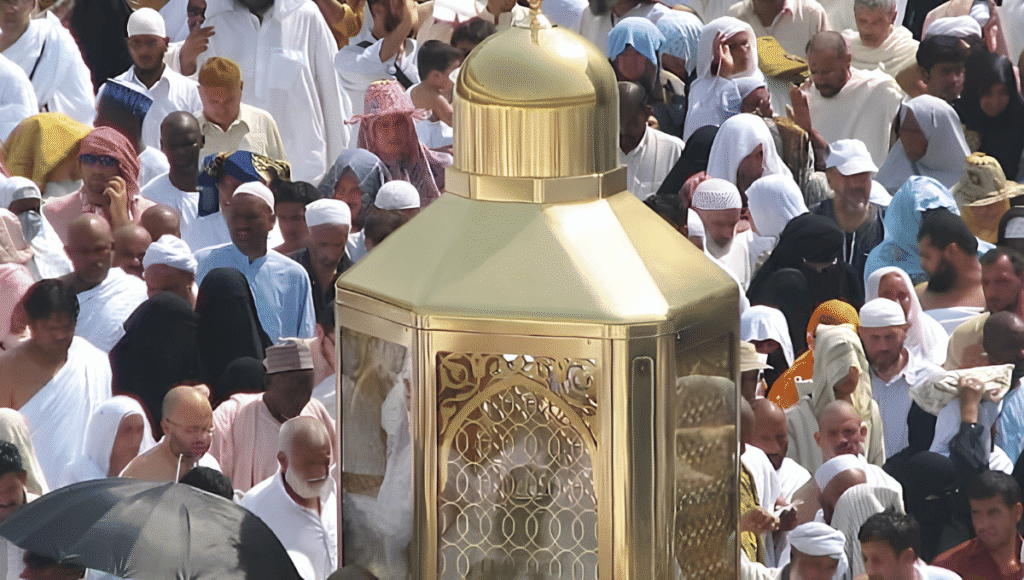
Walk to Masjid al-Haram, perform the seven rounds of Tawaf around the Kaaba and somewhere within that hallowed space in between crowds of pilgrims spilling out from every corner of this planet who come here for Allah, each act a prayer ascending into the clear sky—you will catch sight of a small gold-colored frame sealed in glass positioned just before the door of the kaaba. That is Maqam e Ibrahim. Most pilgrims who perform Tawaf know they must pray two rakats near it afterward, but few know its complete narrative: what it is, why it stands there, its Quranic foundation, and why Allah explicitly designated it as a place of prayer. In this article, we explore its history, Quranic significance, and practical guidelines for pilgrims. What is the Meaning of Maqam e Ibrahim? In Arabic, the word maqam means a place or point where a person stands. Ibrahim refers to Prophet Ibrahim (AS)-known in English as Abraham-one of Allah’s greatest messengers, whom Allah commanded to rebuild the Kaaba. So Maqam e Ibrahim means, literally, the Station of Ibrahim, the place where Ibrahim (AS) stood. Maqam e Ibrahim (Arabic: مقام ابراهيم, lit. ‘Station of Abraham’) is the stone on which Prophet Ibrahim stood when he built the Ka’bah in Makkah. Not a symbolic marker or plaque set in memorium. It is the Rock, it is the very rock upon which Ibrahim (AS) stood preserved for generations of people to see throughout history now encased in gold and glass within the Grand Mosque but still perched there for millions of pilgrims that pass by it to this day. The Story Behind the Stone To see the significance of this stone, you need to go back in time to the moment of Kaabah’s construction. During this time, Allah ordered Ibrahim (AS) to reconstruct the holy House in Makkah. As the walls grew higher, his son Ismail (AS) passed stones to his father, while Prophet Ibrahim (AS) stood upon this stone, which miraculously elevated him to place the upper layers of masonry. And this is the miracle Ismail (AS) would pass stones to his father Ibrahim (AS). Then Allah conferred on Ibrahim the footprints of him on that stone so a trace for a generation after that. The stone served as a miraculous scaffold from Allah, rising and lowering at Prophet Ibrahim’s (AS) need. The footprints of Ibrahim (AS) were settled in the melted top layer of the stone. Not carved. Not engraved. Ibrahim strode onto the stone and it softened into a path, you can see where his holy feet left behind their impression even now. The footprints can still be observed within the stone to this day thousands of years after Ibrahim (AS) erected the original Kaaba. Each pilgrim who prays at Maqam e Ibrahim is praying in the very place that one of Allah’s greatest prophets stood. What the Quran Says About Maqam e Ibrahim It is not a cultural tradition or something from the past. And take the Maqam of Ibrahim as a place of salah. (Surah Al-Baqarah, 2:125) There is actually a very interesting story behind this verse in tafseers. Reported that the Prophet ﷺ and Umar (RA) passed by the Maqam and that Umar said: Messenger of Allah, Shall we take this as a place of prayer? And it was indeed confirmed by the Prophet ﷺ Then Umar proposed to turn it into a place of prayer. He (ﷺ) replied that he was not ordered to do so. But that same day, before sunset the following verse was revealed “And take the Maqam Ibrahim as a place of salah.” In the morning Umar (RA) himself had suggested it. So Allah revealed this verse in the night to eliminate any doubt. This is probably the most amazing case in Islamic history when the judgement of a companion has been affirmed directly through revelation, which says a lot about the importance of this stone. This site remains an essential part of Allah’s Sacred Sanctuary. Here, above all sites in the sanctuary area: The Quranic verse quoted earlier does not relate to any other site within the sanctuary except for this stone. Where Was Maqam e Ibrahim Originally? This is a fact that surprises many pilgrims. Maqam was not here always. During the time of Ibrahim, the Maqam was associated with the Kaaba. In the reign of the 2nd Caliph, Umar (RA) changed the old position of stone to make it easier for doing Tawaf and offering prayer. Everyone of the Sahabah agreed to this action as it was Umar who suggested that it must be used for prayer. Therefore, he shifted the place of rocks and transferred Maqam to the east. That is why today we find the Maqam e Ibrahim located in front of the doorway to the Kaaba. This move was practical as having the stone to initially be against the wall of the Kaaba, and carrying out Tawaf properly while maintaining that piece in place was challenging. By shifting the east, there was more space available; the rituals of Tawaf as well as two rakat prayers were made easier for larger crowds of pilgrims. How the Stone Has Been Preserved Across Centuries Preservation of Maqam e Ibrahim has never been an easy task but it is remarkable how the pillars have always stood firm throughout Islamic history. This stone has been maintained by Muslim rulers for centuries, with both the Abbasid and Ottoman dynasties fortifying its structure. Now, the stone is almost entirely encased in an enclosure of gold and glass that allows pilgrims to view the maqam of Ibrahim without touching it. Maqam e Ibrahim, which is encased in a gold and glass enclosure with the stone on which the Prophet’s footprint has remained just next to the door of Holy Kaaba. The stone and footprints of Ibrahim (AS) are all visible to every pilgrim passing by through the glass. You do not require to have it up close in order to see it. As
Importance of Cheap Umrah Packages: Why Every Muslim Should Go
In the Holy Quran, there is a verse that resonates deeply with Muslims who have not yet performed Umrah: And perform the Hajj and Umrah for Allah.(Surah Al-Baqarah: 196) Not ‘do it only if you can afford a five-star hotel,’ nor ‘do it when the timing is perfect.’ Simply complete it. On the other hand, for a whole generation of British Muslims, the desire to visit the Kaaba is genuine. The main barrier separating them from the Kaaba is simply the price. The belief which is sometimes said and mostly sensed that Umrah is a performance for people who have money to waste; or the belief that a meaningful pilgrimage must always be expensive. This article explains why that belief needs to be challenged. And why indeed low-cost Umrah packages are actually reasonably priced, thoroughly protected, allowing pilgrims to worship with complete peace of mind. The Financial Reality of Muslim Life in the UK Covering a plethora of occupations between the two genders from surgeon to taxi driver, teacher to shopkeeper; families who came here with nothing a generation ago declaring they built something from scratch; young people drowning in their student debt and both those working and those not working going under so much pressure as the city they live in (if London) chokes on its own cost of living making saving for a pilgrimage exceptionally difficult. According to research by the Muslim Council of Britain, Muslims at the lower end of the income spectrum were more likely to be from a minority background than was otherwise expected based on national trends in migration, unequal educational and job market outcomes. This economic reality provides important context, it sheds some light upon the minefield of consumer, financial and religious choice facing rich swathes of UK Muslims. Umrah Trip is not the sort of thing that nearly any family will do impromptu. Decades of savings, months spent planning, hours talking at the kitchen table about whether this is the year they will go or not and a fear that it never will be. Affordable packages help turn a long-awaited dream into a reality without placing an unsustainable burden on the family. Cheap Does Not Mean Compromised This belief needs to be challenged, as it holds many pilgrims back unnecessarily. Cheap Umrah packages, in the truest meaning of the words, is not one that saves on your visa costs; forces you to a substandard hotel or abandons you in an airport with no help. A truly cheap Umrah package removes the superfluous costs upgraded rooms that you don’t need, guided Ziyarat tours that you can do yourself, exclusive airport lounges that add little to the worship itself and focuses on bringing you what counts flights, visa, reasonable quality hotel reasonably close to the Haram, ground transport between the two cities. Affordable is a mindset, cheap should never be the price of admission. So for a pilgrimage, cost-effective means to get the absolute religious experience for your pounds (£). A 3-star hotel close to Masjid al-Haram provides all the essentials for Umrah with total focus and sincerity. There are identical rituals Ihram, Tawaf, Sa’i, Halq through which the only difference is your distance to Kaaba be it 500 metres or 1.5 kilometres. When you sit for judgment, Allah asks not where you stayed, but whether you came. Honestly, the most touching Umrahs are not always from those who are staying in the nearest hotels. They are ones who showed up with highest intent, the most pure soul, and minds that are completely focused on their worship. Why Access to Umrah Matters for the UK Muslim Community The Prophet Muhammad (ﷺ) said: Alternate between Hajj and Umrah, for they remove poverty and sins just as the bellows remove impurity from iron, gold, and silver.— (Jami` at-Tirmidhi: 810) Umrah offers a spiritual reset that is not a luxury for UK Muslims scrambling to stay afloat in difficult jobs while adhering to daily requirements of life in Britain, a country with few other Muslims around. It’s the biggest worship people can do outside of the five daily prayers for many a chance to stand before Allah’s house, make sincere tawbah and connect to Muslims worldwide in a way that Friday prayers at your local mosque, however valuable they are simply cannot compete with. It is life-changing for a young worker from East London, grinding the pennies together on low pay; whether it is working families from Bradford or single mothers in Birmingham when that experience seems possible with budget solutions. For them, for the other people in the community too. The changes in a person returning from Umrah are subtle yet deeply palpable. More grounded. More grateful. More connected to their faith. That ripple effect has value. What to Look for in a Genuine Budget Umrah Package Not all low-cost deals offer genuine value, so it is important to check what is included before making a booking. Financial protection comes first. It can also become very expensive; unlicensed operators can lead to severe financial risks. So be careful and check what you really need before typing in your credit card details, Is The Package ATOL Protected? Rather than just verbal promises, your funds are protected financially through our suppliers as flight inclusive packages ATOL and IATA protected. In black and white you need to receive your ATOL Certificate, combining both flights, hotels, transfers all the comforts on that certificate. Transparency on inclusions. A package which appears affordable but does not include the visa costs, or only includes intercity transport for an additional fee, or collects hotel taxes on arrival, is nominally cheap. Before you make a payment, ask for a clear, written breakdown of all inclusions and what has not been paid for. A good agency will provide this to you without any second thoughts. Hotel location matters more than star rating. Given the level of comfort one would consider while choosing a hotel, in practice 3-star hotels anywhere within 800 metres from the Haram
Kaaba-View Umrah Packages: What It Really Means to Wake Up Facing the House of Allah
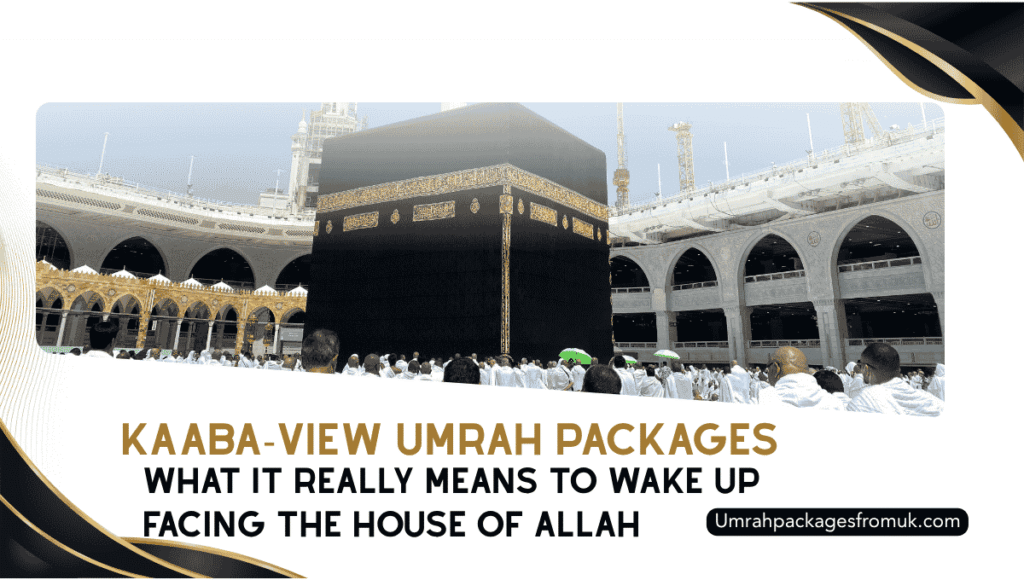
Many only mention a moment of quiet that came when they were already in a Kaaba-view hotel, not during Tawaf, Fajr prayer at the Haram many do not even recall feeling awed the first time looking at it (walking through an entrance gate). It’s quieter than that. They walk into their hotel room, pull back the curtains, and there it is the Kaaba. Directly in front of them. Still. Illuminated. Real. Others still remain in utter disbelief, emitting no sound. Some of them are crying, but others just stood there frozen in the moment. For a Muslim who prayed towards the Kaaba five times a day, every single day of their life from sitting in a freezing office, on a packed train or right in the middle of cooking dinner, having it literally out of your window is itself indescribable. A real hotel room with a view over the Kaaba Not a travel upgrade. Not a luxury add-on. Constant connection on a daily basis with the house of Allah (SWT) from the time you wake up in the morning to when you close your eyes at night. What Is a Kaaba-View Umrah Package? There is an Umrah Kaaba vista package which means your Makkah hotel room (mostly upper floors of hotels located within walking distance) are positioned correctly so that you can view the Kaaba straight out of your window, not blocked by neighbouring buildings. What the hotels which are “near to the Haram” don’t tell you is that they do not necessarily offer a free view of the Kaaba. Other candidates yield very much. Others are closer, not perpendicular. These so-called Kaaba-view rooms face the Kaaba as soon as you open your curtains your eyes meet the house of worship Muslims all over the world pray towards. The hotels most commonly known for views of the Kaaba in Makkah, include: the Makkah Clock Royal Tower, a Fairmont Hotel; Swissôtel Makkah; Hilton Suites Makkah; and Raffles Makkah Palace all located on or in walking distance from the Abraj Al-Bait complex directly overlooking Masjid al-Haram. These are also the 5-star tier in our packages but many of the more affordable options (4-star) located just off or just behind the Haram will provide views, albeit partial or from higher floors and/or rooftop. Why Does Seeing the Kaaba from Your Room Actually Matter? This one is not a bad question at all as it more than deserves just a marketing response. Simply in practice, if a hotel is within walking distance of the Haram then you can attend every prayer with great ease. Fajr (1 or 2 insha Allah) the prayer many lament not praying regularly because they are at a distance, becomes irrelevant when you live literally in full view of the mosque from your window. The adhan rings out, you get up and before you know it you’re standing in the spot. The proximity makes it a ridiculously easy pilgrimage for elderly pilgrims, those with mobility issues and even others who struggle walking long distances in the sweltering heat of Makkah. But beyond the physical aspect, itself, of being in a room day after day with an unbroken line of sight to the Kaaba was something far removed. For many pilgrims, it changes their relationship with time. They would go back to the hotel but surrender this time not turn off and sit at a window either making dua or reciting Quran, or just being in an environment in which it was doing no good to be a room which had its view out onto a car park or shopping street. It reminds you why you are there in the first place and it grounds you way more than any trip that has something which doesn’t let you see the Haram at all. Then there is this: first and last things. What greets your eyes when they open, what closes them at night gives a day its texture. Our Pilgrims in our Kaaba-view rooms tell us again and again that the quality of focus and presence they experience during their whole stay, less distraction, deeper intention, and broader reverence is a gift they return home with afterwards. Who Should Consider a Kaaba-View Package? It’s not every pilgrim who is a good match for a Kaaba-view room, and it’s high time for that. If the budget is your first priority, then a 3-star package with a hotel near Haram and requiring an easy walk or shuttle service to get there allows you to complete a full and meaningful Umrah at several times lower cost. Wherever you sleep, the rituals themselves don’t change at all and most pilgrims perform deeply spiritual Umrahs staying in budget-friendly, simple hotels. A Kaaba-view package makes the most sense for: Pilgrims for whom this may be final Umrah. For older pilgrims, those in ill health, or anyone who has been waiting as long as possible to go on this pilgrimage, the location and the vista come preloaded with so much Spiritual value it’s difficult to argue against paying more for it. Pilgrims accompanying their aging parents. This is best suited for senior citizens who want to remain connected with the Haram. Worship is still integrated into their daily life, including during times of rest in their rooms with no long distance to walk. Pilgrims undertaking Umrah in Ramadan. In the days leading up to those last ten nights in particular, where people want to spend every moment possible at the Haram and spend as much time as possible switching between prayer and rest, simply being literally just above the Kaaba but being able to sit on your bed or terrace for moments throughout really changes all that. Those doing Umrah for a second or third time. No matter the hotel, first-time pilgrims are frequently amazed by just experience. And plenty of return pilgrims have a very clear vision into what they would like to experience more closely, and a view-of-the-Kaaba hotel room is usually at or near
Group Umrah Packages: Benefits of Travelling Together
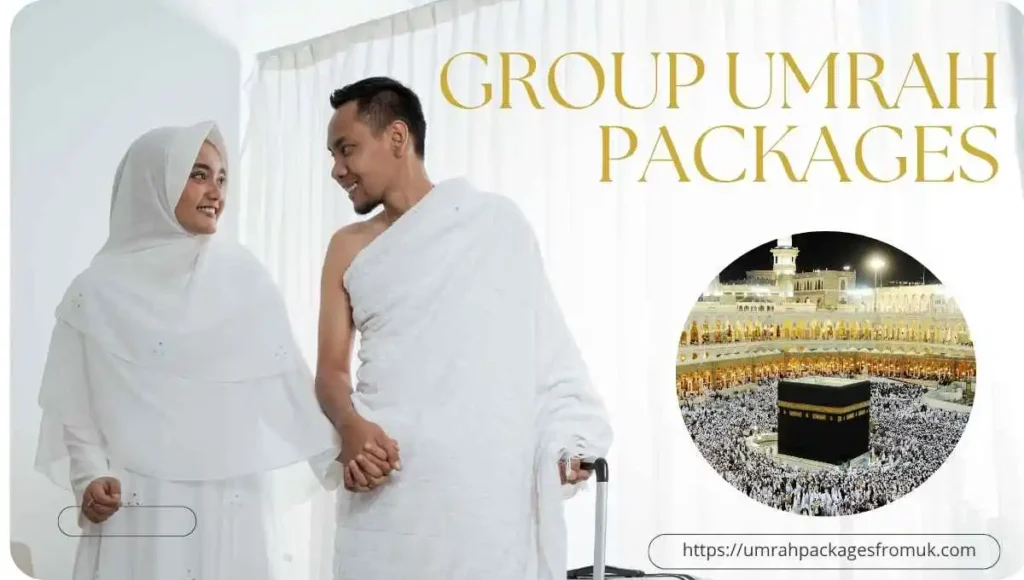
It is quite different when you walk to Kaaba in groups, with your family next to you, the good souls from the mosque or the people from your neighbourhood. The intention remains highly personal, but journey feels cradled. Less alone. More accountable. And for thousands of UK Muslims each year, this is precisely the reason why they opt to go on a group Umrah rather than travel independently. To be fair, the group Umrah travel is not just a logistical convenience although it is that too. Every single part of the experience is influenced by this choice: how you prepare, how you travel, how you navigate through the holy cities and what it feels like to be home. In this guide, we’ll take a realistic perspective as to what group Umrah packages provide UK pilgrims, who they are suitable for and things you should consider before booking one. What a Group Umrah Package Actually Includes The term ‘group Umrah package’ is used quite loosely, so it helps to get some clarity on what it actually means. A genuine group package consists of pilgrims all booked under one office who are likely to be from a similar community, mosque or family system. This covers: Packages vary depending on the hotel standard, duration of stay (typically 7, 10, or 14 nights), whether structured Ziyarat tours are included, and if a scholar travels with the group to guide rituals. It is always worth confirming these details before committing to a booking. The Financial Case for Travelling in a Group Starting with the easiest reason, booking in groups is almost always cheaper per head than booking individually (of course by comparable standard of trip/experience). Airlines and hotels price volume, such that when a travel agency is booking out an entire block of seats or rooms they can negotiate rates not available to the lone pilgrim deciding to book independently. For UK families, this matters. So a family of four, for instance, could be travelling as two adults and two children yet booking together would offer them per-person pricing far less than any individual price (so instead of £600 each that could lead to four tickets at £500). Flight prices and hotel rooms are the two most expensive components of any Umrah package, and this is where many of the savings are most obvious. The numbers become even more important if you are sending them in a mosque group or on a trip with your community. The best group rates tend to be released for ten, twenty or above number of pilgrims; also, the coordinated booking process means that everyone gets their logistics organized in one place vs many different agencies. The Practical Benefits That People Don’t Always Think About Group travel is not only comforting because it helps to reduce cost, but there are other problems that have become a heavy burden on pilgrims, especially those who make Umrah for the first time; group travel can solve them. Navigating unfamiliar cities is easier with others. Makkah and Madinah are bustling, sprawling cities with streets that seem bewildering on your first attempt at navigating around the Haram. If somebody in your party knows where you’re headed (or a guide is directing movement), it alleviates an additional layer of low-level stress that can take away from the actual reason for the trip. The visa and documentation process is streamlined. For a group booking, when done by the travel agency, all visas and Nusuk registrations will be processed together. Pilgrims who find the paperwork involved with international travel a source of stress will welcome its handling as part of one streamlined process. Elderly relatives and less mobile pilgrims are better supported. Meanwhile If you have parents or grandparents with mobility concerns, a structured group with multiple people to watch over him/her, and the fact that each individual is at the same pace as everyone else, going about in a group will often be much less difficult than travelling alone or having to plan all logistics separately. You don’t have to make every decision alone. The issue is compounded because, unlike the tour groups that I mentioned above, solo travellers have to figure everything out by themselves: when to leave for Fajr; which entrance they will go through; where they’ll eat; how many hours will reside at each site. Those decisions are collectively made in a group, and that leaves you with more mental energy for the parts of the trip that matter. The Spiritual Dimension of Travelling Together Islam has always emphasised importance of community, and there is something very practical about group Umrah travel that reflects this. Your Tawaf goes alongside people you are familiar with, people who practice the same faith, and one intention; It feels different than being alone surrounded by strangers. The feeling in the Rawdah when you make dua together or whilst walking Sa’i as a family, is not something that can easily be replicated while doing things alone. For first-time pilgrims, having a guide explain the meaning behind each rite—Ihram, Tawaf, Sa’i, and Halq/Taqsir—ensures every aspect of Umrah is performed with clarity rather than guesswork. Pilgrims returning from group tours frequently express that they gained far deeper spiritual insight than they would have on their own, thanks to the continuous guidance provided throughout the journey. Then there is also the issue of accountability. Travel with family members or members of the community and you use your time more wisely. The collective nature of the group travel done by Fajr, arranged visits to places of religious importance, structured time in the Haram often allows pilgrims to return home feeling that they have utilised their days in the holy cities more effectively. Who Group Umrah Packages Suit Best Group packages work particularly well for: Multigenerational Families: Simplifies complex individual flights, hotel arrangements, and visa applications into a single, unified group reservation. Repeat Pilgrims: Offers the comfort of an experienced guide, a like-minded group, and a pre-planned itinerary. Mosque & Community Groups: Allows
Dua for Umrah: Authentic Duas Every Pilgrim Should Recite
A quick search through Google for “dua for Umrah” will reveal countless booklets, images, and even PDFs that have been reproduced so many times that one is unsure about source of the wording of dua itself. While some du’a are undoubtedly valid, others may be based purely on cultural traditions and not on the Qur’an and the Sunnah, and Muslims are reciting the du’a unknowingly since they are not really authentic at all. As mentioned before, the approach adopted in this article is somewhat different from other Umrah dua articles. Unlike other du’a articles, which list only the fixed ritual du’a of Umrah in step-by-step manner (this is discussed in detail in our guide “Essential Umrah Duas & Supplications“), this article discusses how du’a are authenticated, the etiquette of making du’a in Umrah, and additional du’a for parents, forgiveness, and personal use. What Makes a Dua “Authentic”? In Islamic jurisprudence, a dua is seen to be authentic if the wording of the dua can be traced to one of three sources: That which cannot be termed as an authentic dua would include those du’a that have only been orally transferred culturally, loosely translated from other languages or from “a hadith” without any authentic source of the hadith, which occurs quite often than what pilgrims can imagine, especially those dua presented in pictures on social media sites. Common Fabricated or Weak Duas to Watch For There are few things that could come in handy to know before your pilgrimage: Whenever you have doubts about authenticity of some dua, there is always a way to check it with an Islamic scholar, reliable hadith app, or your tour group’s imam in a matter of minutes. The Etiquette of Making Dua During Umrah Apart from the actual wording of the dua, its style is of equal importance: Many British pilgrims visiting the Ka’aba for the first-time feel awkward about making their individual dua aloud in front of others at such places as Masjid al-Haram. It is worth remembering that all those people around you are doing exactly the same. Best Times to Make Dua During Umrah There are certain times during Umrah which are considered favorable for dua according to the Sunnah of the Prophet: Including some of these times in your daily life during your stay in Makkah, instead of doing dua only as part of the ritual, will make the whole trip more spiritual. Authentic Dua for Parents One of the most popularly recited duas in the Quran, especially after finishing duas of Umrah, is dua for one’s parents: Arabic: رَبِّ ارْحَمْهُمَا كَمَا رَبَّيَانِي صَغِيرًا Transliteration: Rabbi irhamhuma kama rabbayani saghira Translation: “My Lord, have mercy upon them as they raised me when I was small.” (Surah Al-Isra, 17:24) It is often recited while performing Tawaf, Sa’i, or even when there are some moments of peace in Masjid al-Haram, and many people from the UK come here on Umrah to make dua for their parents, who cannot make it here. Authentic Dua for Forgiveness The following dua is a popular prayer for seeking forgiveness, derived from Sahih hadith: Arabic: رَبِّ اغْفِرْ لِي وَتُبْ عَلَيَّ إِنَّكَ أَنْتَ التَّوَّابُ الرَّحِيمُ Transliteration: Rabbighfir li wa tub ‘alayya innaka antat-tawwabur-rahim Translation: “My Lord, forgive me and accept my repentance, for You are the Ever-Relenting, the Most Merciful.” This is a good one to pray repeatedly in quiet times, especially after your Umrah when you are in Makkah. Authentic Dua for the Wider Ummah It’s also Sunnah to make dua not only for yourself but for the broader Muslim community, especially in a place like Masjid al-Haram where pilgrims from across the world are gathered together: Arabic: اللَّهُمَّ اغْفِرْ لِلْمُؤْمِنِينَ وَالْمُؤْمِنَاتِ Transliteration: Allahummaghfir lil-mu’minina wal-mu’minat Translation: “O Allah, forgive the believing men and believing women.” How to Verify a Dua Before You Travel If there is a dua that you are unfamiliar with prior to your travel: Final Thoughts Saying a true dua in Umrah is not just about reciting the words correctly; rather, it is important to know where the words are coming from and what they mean along with having the appropriate etiquettes to say it. Besides the duas prescribed in our Essential Duas for Umrah guide and the entire sequence of rituals included in our Complete Umrah Guide, this article will provide a better understanding of how dua relates to process of performing Umrah in general. If you are in the process of planning the trip, check out our Umrah packages from UK. Frequently Asked Questions Is it necessary to recite dua in Arabic specifically? The ritual duas are always recited in Arabic, however personal supplications can be made in English or any language you prefer. Can I make up my own dua during Umrah? Yes. Along with the prescribed dua to be recited for every ritual, personal dua can also be made throughout the journey in your own words. Are duas found in Umrah apps generally reliable? Although many credible Umrah applications obtain the duas from the Holy Quran and Hadith literature, it is always wise to make sure that the application refers to its source. Why do some Umrah booklets contain different wording for the same dua? It is possible that many of the differences in the wording may result from the translator’s interpretation or slight differences in narrations of the authentic hadiths, but not necessarily that one of them is right while the other is wrong. Should I memorise dua or is reading from a card acceptable? Reading from a card, booklet, or mobile phone is completely fine. There are many people who have memorised the short and often recited duas such as Talbiyah and read the others in quieter times. The ritual duas are always recited in Arabic, however personal supplications can be made in English or any language you prefer. Yes. Along with the prescribed dua to be recited for every ritual, personal dua can also be made throughout the journey in your own words. Although many credible