
Step by Step Umrah Guide with Duas and Important Tips
Most guides about performing Umrah deal exclusively with the religious order of Ihram, Tawaf and Sa’i, and quite rightly so. However, if you are planning to make your first journey to Saudi Arabia from Britain, there is another level of concern which very few people seem to discuss at all: what actually happens every hour, what should I take and what does the whole trip feel like? This guide will focus on this very gap. As opposed to reciting the entire process along with all the duas word for word (which you can do by reading through our individual guides, available throughout), this article takes you through the real process right from the time you book your ticket till the time you return home. What Umrah Actually Involves, in Brief Umrah is a shorter journey compared to Hajj, which can be undertaken throughout the year and is normally done in a few hours after one enters into the state of Ihram. Umrah consists of four main rituals which include Ihram, Tawaf, Sa’i, and either Halq or Taqsir. These rituals follow an inviolable sequence along with etiquettes for each ritual. If you would like to know all the rules and restrictions in detail, the Complete Umrah Rules guide is what you need. In case you require the Arabic text with the translation for all the duas, then the Essential Umrah Duas guide will be perfect for you. This post is all about those two. The Umrah Journey, Stage by Stage This is the way the journey usually goes for the pilgrim traveling out of the UK: 1. Before you fly (1–4 weeks ahead): Getting your visa sorted out, confirming your flight and hotel bookings, packing, and being aware of the sequence of events before you hear about it in the plane. 2. Departure Day: Check-in at UK airports. Depending on your destination, you may have to enter Ihram once you board your plane if you pass through any Miqat. 3. Arrival in Saudi Arabia: Immigration procedures will be followed upon arrival in Jeddah or Madinah and transport to your hotel in Makkah (or Madinah first, if your package includes both destinations). 4. Doing Umrah: Entrance of Masjid Al-Haram, Tawaf, prayer at Maqam Ibrahim, Sa’i from Safa to Marwah, and finally Halq or Taqsir. 5. Days following Umrah: Further trips to Haram for prayers, second Umrahs (optional), if you wish, from Miqats near the city, and for most packages a couple of days spent in Madinah visiting the Masjid an-Nabawi. 6. Return journey: After checking out from the hotel, going to the airport, and flying back to UK. Having an idea of what the journey is likely to be like beforehand takes all of the uncertainty out of it. Before You Fly: A Practical Checklist A lot of first-time nerves come from feeling under-prepared, not from the rituals themselves. Before leaving the UK, it’s worth sorting out: What to Expect Once You Land These two airports will be crowded by people from all over the world due to this reason the procedure of immigration will take longer than the procedure on holiday visits. It would be better to spare some extra time after landing to complete your transfer. After you reach your hotel you move to Masjid al-Haram after a short while due to the excitement that you feel and because visiting Umrah at the start of your visit makes other visits to the mosque available for prayers and relaxation. Timing Your Umrah: When It’s Busiest When talking about UK pilgrims who organize their visit beforehand, time becomes a very significant element of their pilgrimage: Ramadan is certainly the busiest period for pilgrimages, as the capacity of Masjid al-Haram is extremely high. The season is highly spiritually important but very difficult physically. The school holidays and summer months attract more families of pilgrims from the UK. The off-peak months will provide a more relaxed environment, fewer crowds, and even cheaper packages. Avoiding the high season will definitely help you have an easy time physically, especially if this is your first Umrah. Duas You’ll Use Along the Way Every ritual in Umrah is associated with the particular dua as well, right from leaving your home in the UK to performing the rituals of Tawaf and Sa’i to finally finishing the pilgrimage. Instead of reproducing all of these duas here, it is much better to learn these ahead of time from the proper source. Duas for Umrah will be presented in our Essential Duas for Umrah book in Arabic, with transliteration and translation into English in sequence as per their practical usage. Rules Worth Keeping in Mind Throughout Umrah has a few things that you need to be wary of when you are in a state of Ihram, such as prohibition of perfumes, shaving, nail trimming, and having good manners. All these prohibitions are valid from the time you enter into a state of Ihram until the Halq or Taqsir process is completed. For detailed information on all the above rules, visit our Complete Umrah Rules page. What First-Time Pilgrims Often Don’t Expect A few things which always surprise the pilgrims coming from the UK during their first visit: Tips for a Smoother Trip Final Thoughts The process of religious pilgrimage of Umrah has been explained very nicely, but it is the practical aspects of the whole process such as timing, packing, arrangements, and even the anticipation of what is coming up that really makes the whole experience easy for a beginner from the UK. Combine this guide with the details we provide in our Umrah Rules and Umrah Dua pages and get ready for an easier pilgrimage. If you feel that you need to start planning, check out our Umrah packages from UK! Frequently Asked Questions How many days should I book for my first Umrah trip? The majority of UK Umrah packages last for 7 to 14 days and have enough time for the Umrah plus some extra days to pray
Complete Umrah Rules for First-Time Pilgrims
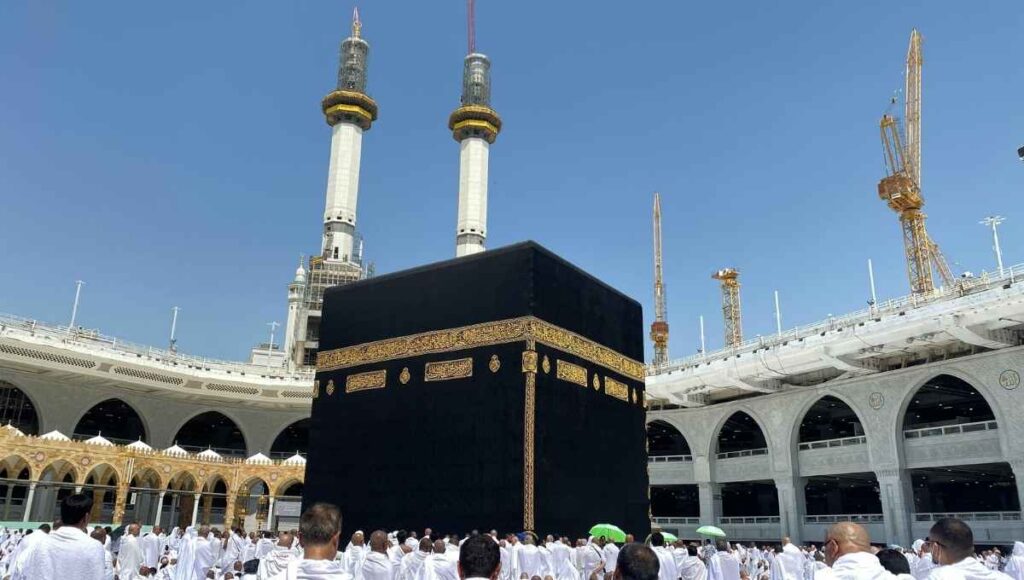
While booking your first Umrah trip from UK is exhilarating, it can also come with a few nervous jitters. So this is where many first-time pilgrims get it wrong, fearing they won’t get the rituals right. With Ihram, Tawaf, Sa’i and do’s and don’ts that surround them, it can feel like so much is at stake to get every step right. This guide is a step-by-step roadmap to the Umrah rules with detailed notes that apply to UK pilgrims, including what you need to prepare before your flight and what will happen at each stage in Makkah; as well as all the mistakes most first timers make so you can avoid them. What Are Umrah Rules? Umrah terms and conditions are the aspects that ensure an Umrah to be valid in accordance with Islamic teachings, including the order of performance (Tarteeb), restrictions on individuals, and other factors. Umrah, on the other hand has a time range throughout the year besides having an approximate few hours for its proceeding but is still performed under a defined schedule of entering the state of Ihram, Tawaf (circumambulation) around Kaaba post which we shall perform a Sa’i (walking or running between Safa and Marwa or back and forth), and finally ending with Halq / Taqsir (shaving/ trimming hair). Getting sequence right matters. Where one step is missed out or performed in a different order each action affects the validity of your Umrah and hence, most guidance like this will walk you through the process in the precise order of things that need to be done. Who Must Follow Umrah Rules? All those who come to Makkah to perform Umrah should follow these regulations, no matter which nationality they belong to or how many times they have done it before. However, there are some categories of pilgrims that should be considered: We will discuss each of these groups in more detail later down. Preparing for Umrah Before You Travel Most of mistakes that occur during Umrah take place due to poor preparations at home rather than misunderstandings in Makkah itself. Before embarking on the journey to Saudi Arabia from the UK, it would be useful to: This would eliminate a great deal of stress when you arrive at Jeddah or Madinah. Ihram Rules Explained Ihram is a state of mind as well as a physical state which the pilgrim must be in order to embark on the pilgrimage. For males, two white, unstitched sheets are required where one is worn on the waist while the other is worn on the shoulders. Stiched clothes, underwear and shoes which cover the ankle bone are not allowed. For females, normal clothes which cover their body parts, but the face and hands should remain uncovered (even though most prefer to cover themselves, which is also alright). During the state of Ihram, both male and female pilgrims are prohibited from doing the following acts: The intention of performing Umrah must be made while wearing Ihram. Miqat Rules Every Pilgrim Should Know A Miqat is a designated boundary point beyond which pilgrims cannot pass without first entering Ihram. For pilgrims flying from UK, the relevant Miqat depends on your route: Not entering into Ihram at Miqat when there is an intention of performing Umrah is a relatively frequent offense committed by pilgrims for the first time, but it does come with some religious repercussions, so better to recheck your route. Step-by-Step Umrah Rules Once you’ve arrived in Makkah in a state of Ihram, core sequence is: Once Halq or Taqsir is done, Umrah is complete and the restrictions of Ihram are lifted. Tawaf Rules for First-Time Pilgrims Tawaf refers to circling around the Kaaba seven times starting and ending from the Black Stone (Hajar Al Aswad). Many beginners do not expect how physically strenuous Tawaf may be. Sa’i Rules Between Safa and Marwah Sa’i re-enacts Hajar’s search for water between the hills of Safa and Marwah, and consists of seven one-way passes (Safa to Marwah counts as one, Marwah back to Safa counts as the next). Counting the rounds in Sa’i can become difficult for newcomers and hence a tasbih or phone app may prove helpful. Hair Cutting Rules After Umrah Umrah concludes with Halq (shaving), or Taqsir (trimming) which is the final procedure to complete the process of performing Hajj in addition to formally ending Ihram. Once this is done, all earlier Ihram restrictions (perfume, cutting nails, marital relations, and so on) are lifted. Things Forbidden During Umrah In the state of Ihram (only), pilgrims must avoid: A number of these prohibitions (for instance, not arguing or behaving badly) should be maintained even after the Ihram has been removed for the duration of the trip. Common Umrah Mistakes to Avoid From the mistakes made by first-timers on pilgrimage: How to Correct Mistakes Made During Umrah In case a mistake is made halfway through: Most UK Umrah package groups travel with an experienced guide precisely so questions like these can be answered immediately on the spot rather than after the trip. Essential Duas to Recite During Umrah Though an exhaustive list of Umrah duas would be best explained separately, the important occasions where duas have to be offered include: In case you need all this in detail, you can check our exclusive guide on Umrah duas for UK pilgrims. Umrah Rules for Women Umrah Rules for Men For men, a few points are worth being specific about: Umrah Rules for Elderly and Disabled Pilgrims Islam allows for reasonable accommodation where physical capability is limited: Final Umrah Checklist Before Leaving Makkah Before heading back to your hotel or on to Madinah: Conclusion: Following Umrah Rules with Confidence Umrah need not be an intimidating journey for someone on their first time doing Umrah. The regulations are there to help make your experience a smooth one rather than confuse you. And once you know about Ihram, Tawaf, Sa’i, Halq or Taqsir, everything becomes simple and easy. If you are planning to make your
Essential Umrah Duas & Supplications for UK Pilgrims
Umrah is much more than a holiday destination for the many thousands of Muslims travelling from Britain each year, it is a personal act of worship. From Heathrow to Manchester and Birmingham, one of the most common questions that UK pilgrims ask before their departure is straightforward: which duas should I actually memorise before going? This guide compiles all fundamental umrah duas UK pilgrims ought to be aware of at each and every step from the time you walk out your front door until the last steps of Sa’i in between Safa and Marwah. All duas are presented in Arabic with transliteration (if necessary) and English translation so you can follow along even if you’re not a native Arabic speaker. Why Duas Matter During Umrah The performance of the Umrah depends on several rituals like Ihram, Tawaf and Sa’i; however, the dua which you recite in these rituals is equally significant as performing the action itself. The Prophet Muhammad ﷺ has instructed particular duas in almost all stages of the journey and having these duas known (and not reading blindly from a pamphlet without any understanding) makes this journey very fruitful indeed. If you’re a first time pilgrim taking off from the United Kingdom, having these duas ready to go will take away a great deal of stress involved with learning how to cope with an unknown routine in the bustling Haram. Dua Before Leaving Home (Travel Dua) Before you even reach the airport, it’s Sunnah to recite a short travel dua when leaving your house. Arabic: بِسْمِ اللَّهِ تَوَكَّلْتُ عَلَى اللَّهِ، وَلَا حَوْلَ وَلَا قُوَّةَ إِلَّا بِاللَّهِ Transliteration: Bismillahi tawakkaltu ‘alallahi, wa la hawla wa la quwwata illa billah Translation: “In the name of Allah, I place my trust in Allah, and there is no power or strength except with Allah.” This is a good one to say quietly as you close your front door, and again as your flight leaves UK airspace. Dua for the Journey (Traveller’s Dua) Once you’re seated and the journey has begun, there’s a well-known dua for travel taken from the Sunnah. Arabic: سُبْحَانَ الَّذِي سَخَّرَ لَنَا هَذَا وَمَا كُنَّا لَهُ مُقْرِنِينَ وَإِنَّا إِلَى رَبِّنَا لَمُنْقَلِبُونَ Transliteration: Subhanal-ladhi sakhkhara lana hadha wa ma kunna lahu muqrinin, wa inna ila rabbina la munqalibun Translation: “Glory be to Him who has provided this for us, though we could never have had it by our own efforts. Indeed, to our Lord we shall return.” Dua for Entering Ihram Once you reach the Miqat and put on your Ihram clothing, you make the intention (niyyah) for Umrah. Arabic: اللَّهُمَّ إِنِّي أُرِيدُ الْعُمْرَةَ فَيَسِّرْهَا لِي وَتَقَبَّلْهَا مِنِّي Transliteration: Allahumma inni uridul-‘umrata fa yassirha li wa taqabbalha minni Translation: “O Allah, I intend to perform Umrah, so make it easy for me and accept it from me.” The Talbiyah Once in the state of Ihram, pilgrims repeat the Talbiyah frequently during the flight, in the taxi to the Haram, and right up until Tawaf begins. Arabic: لَبَّيْكَ اللَّهُمَّ لَبَّيْكَ، لَبَّيْكَ لَا شَرِيكَ لَكَ لَبَّيْكَ، إِنَّ الْحَمْدَ وَالنِّعْمَةَ لَكَ وَالْمُلْكَ، لَا شَرِيكَ لَكَ Transliteration: Labbayk Allahumma labbayk, labbayka la sharika laka labbayk, innal-hamda wan-ni’mata laka wal-mulk, la sharika lak Translation: “Here I am, O Allah, here I am. Here I am, You have no partner, here I am. Verily all praise, grace and dominion are Yours. You have no partner.” Many UK pilgrims find it useful to practise the Talbiyah out loud a few times before departure so it comes naturally once they’re in Ihram. Dua for Entering Masjid al-Haram Arabic: اللَّهُمَّ افْتَحْ لِي أَبْوَابَ رَحْمَتِكَ Transliteration: Allahumma-ftah li abwaba rahmatik Translation: “O Allah, open Your doors of mercy for me.” Dua on Seeing the Kaaba There’s no single fixed wording here the Prophet ﷺ would raise his hands and make personal dua on first sight of the Kaaba. Many pilgrims use this moment simply to ask sincerely for whatever is on their heart, alongside: Arabic: اللَّهُمَّ زِدْ هَذَا الْبَيْتَ تَشْرِيفًا وَتَعْظِيمًا وَتَكْرِيمًا وَمَهَابَةً Transliteration: Allahumma zid hadhal-bayta tashrifan wa ta’ziman wa takriman wa mahabah Translation: “O Allah, increase this House in honour, esteem, respect, and reverence.” Duas During Tawaf There’s no obligatory fixed dua for every circuit of Tawaf, but between the Yemeni Corner and the Black Stone (roughly the last quarter of each circuit), it’s Sunnah to recite: Arabic: رَبَّنَا آتِنَا فِي الدُّنْيَا حَسَنَةً وَفِي الْآخِرَةِ حَسَنَةً وَقِنَا عَذَابَ النَّارِ Transliteration: Rabbana atina fid-dunya hasanatan wa fil-akhirati hasanatan wa qina ‘adhaban-nar Translation: “Our Lord, give us good in this world and good in the Hereafter, and protect us from the punishment of the Fire.” Outside of that, you’re free to make personal dua in your own words during the rest of Tawaf in English is perfectly fine. Dua at Multazam After Tawaf, if you get the chance to stand at Multazam (the wall between the Black Stone and the door of the Kaaba), this is considered a powerful place for personal dua there’s no fixed wording required. Dua Behind Maqam Ibrahim After completing Tawaf, pilgrims pray two rak’ahs near Maqam Ibrahim, reciting in the first rak’ah: Arabic: وَاتَّخِذُوا مِنْ مَقَامِ إِبْرَاهِيمَ مُصَلًّى Transliteration: Wattakhidhu mim-maqami Ibrahima musalla Translation: “And take the standing place of Ibrahim as a place of prayer.” Duas During Sa’i (Safa and Marwah) Upon approaching Safa to begin Sa’i, it’s Sunnah to recite: Arabic: إِنَّ الصَّفَا وَالْمَرْوَةَ مِنْ شَعَائِرِ اللَّهِ Transliteration: Innas-safa wal-marwata min sha’a’irillah Translation: “Indeed, Safa and Marwah are among the symbols of Allah.” Standing atop Safa, facing the Kaaba, pilgrims then say three times: Arabic: لَا إِلَهَ إِلَّا اللَّهُ وَحْدَهُ لَا شَرِيكَ لَهُ، لَهُ الْمُلْكُ وَلَهُ الْحَمْدُ، وَهُوَ عَلَى كُلِّ شَيْءٍ قَدِيرٌ Transliteration: La ilaha illallahu wahdahu la sharika lah, lahul-mulku wa lahul-hamd, wa huwa ‘ala kulli shay’in qadir Translation: “There is no god but Allah alone, He has no partner. His is the dominion and His is all praise, and He has power over all things.” This is repeated between each of the seven laps of Sa’i, alongside personal dua of
Umrah Packages from UK: The Complete Guide for British Pilgrims
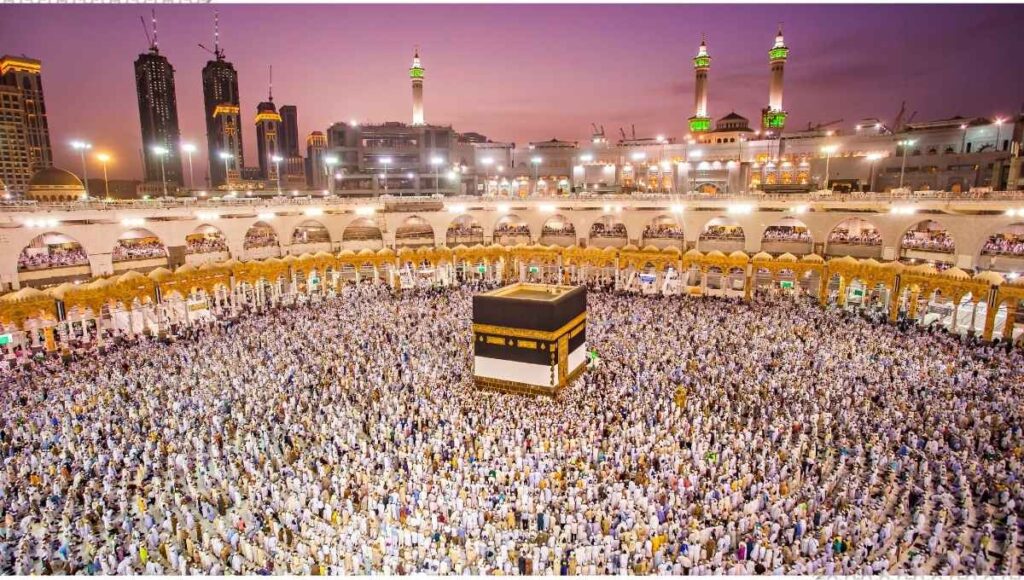
Whether planning for your first ever Umrah or the fiftieth, there will always be changes in flights, in visa policies, and in pricing due to the time of year you will visit during. As you may want to find a good value Umrah package that won’t scrimp on either your comfort or your devotion while living in the UK, this guide will show you just how it can be done, from choosing an affordable package to packing your suitcase. Our guide was prepared especially for those who make their pilgrimage from the UK and thus includes only visa requirements, flight tips, and examples of Umrah packages for you as a UK visitor. Why So Many UK Pilgrims Are Booking Umrah Packages Instead of DIY Trips A few years back, pilgrims used to make their own arrangements for air and hotel bookings separately. This method is still good enough if one does not mind spending time making those arrangements. However, more and more UK travellers now choose packaged trips since: None of this means that DIY is never an option and it is not even necessarily a bad one. It is simply cheaper. Finding Affordable Umrah Packages from UK In case you are specifically searching for affordable Umrah packages from UK, the key here is not just to opt for the most affordable figure you encounter in the advertising, the question is what kind of package this number represents. This is how you should evaluate various operators against each other: Practical Ways to Reduce Your Package Cost When you can, sidestep peak dates. The prices around Ramadan and the weeks of Hajj season are the highest in the year at sometimes double of the off-peak rates. The time of year is another factor, and you will find prices drop steeply for example in early autumn or late winter when tourist numbers are lower. What to Check Before You Book: Accreditation and Protection It is the section of the guide which most pilgrims tend to overlook; however, it is very important. Before paying anything at all, check the following: All of these can be verified easily and will make your pilgrimage far less stressful should anything unforeseen happen. Umrah Package Types: Which One Suits You? Most operators in the United Kingdom have a number of different package options. The following will assist you to make a comparison between the different packages offered by the various operators. Package Type Typical Hotel Distance Room Sharing Best For Economy 10–15 minute walk or shuttle Quad/five-sharing Solo travellers or those prioritising cost over comfort Standard 5–10 minute walk Triple/quad sharing Families wanting a balance of price and comfort Premium Steps from the Haram Twin/double sharing Elderly pilgrims, those with mobility needs, or shorter trips where proximity matters most There is no such thing as a correct level it all depends on your finances, period of staying, and companionship you are traveling with. A ten-day economy tour would suit a physically healthy and financially savvy traveler well, while an elderly parent could literally need a premium tour just to keep up with daily prayer walks. How to Perform Umrah: A Step-by-Step Walkthrough Be it your first pilgrimage or just a review before you depart for your trip, following is the order of performing the Umrah ritual. Make Your Intention (Niyyah) Make a genuine intention of performing Umrah before crossing the Miqat. This is more of an internal matter rather than one that requires verbal expression, but pilgrims tend to make the proclamation anyway. Enter the State of Ihram The men wear only two unstitched pieces of white cloth. The women dress properly in decent clothes without any specific color requirement as is often misunderstood by people.Once you are dressed in Ihram, chant Talbiyah “Labbayka Allahumma umrah” and keep on chanting it till Tawaf starts. Perform Tawaf In Masjid al-Haram, make tawaf (walk around) the Kaaba seven times going counter-clockwise between two points at the Black Stone corner. Always keep the Kaaba to your left. You might want to have some brief duas memorised, however anything sincere and in your own words is a valid option which is also okay. Pray at Maqam Ibrahim and Drink Zamzam After Tawaf, pray two short rak’ahs near Maqam Ibrahim if the crowd allows it if not, anywhere nearby in the mosque is fine. Afterwards, drink Zamzam water, which is freely available throughout the mosque. Perform Sa’i Walk between Safa and Marwah seven times starting with Safa. Men are encouraged to walk briskly between the two green markers; women walk at a normal pace throughout. Cut Your Hair (Taqsir or Halq) Men will shave their heads entirely (Halq) or will trim them (Taqsir). The women will cut their hair to a short length, around the size of a finger’s length. This marks the end of period of Ihram. As soon as you cut your hair, restrictions of Ihram are lifted and your Umrah ends. Many pilgrims stay for an extra two-three days to pray on Haram and, if time allows, to continue on Madinah Visa and Travel Requirements from the UK Packing Checklist for UK Pilgrims Etiquette and Practical Tips Once You’re There Why Book Your Umrah Package With Us Pricing transparency: We work directly with ATOL-protected accredited operators and put together honest Umrah packages from UK that are genuinely tailored to how you travel, as a solo traveller or as a family group; perhaps an elderly parent who needs a hotel near the Haram? Instead of a single itinerary, we’ll outline the options in Economy, Standard and Premium class across tiers, identify what works with your budget and move to visa processing /booking from there. Get your free quote & tell us your preferred date of travelling and number of people going so that we can offer Umrah packages that truly meet your needs. Final Thoughts Umrah is fundamentally a pilgrimage of worship and devotion. The apparent details involved in booking flights, searching for hotels, and learning about cancellations are