
Ihram Rules: What Is Ihram, What Is Forbidden & Everything UK Pilgrims Need to Know
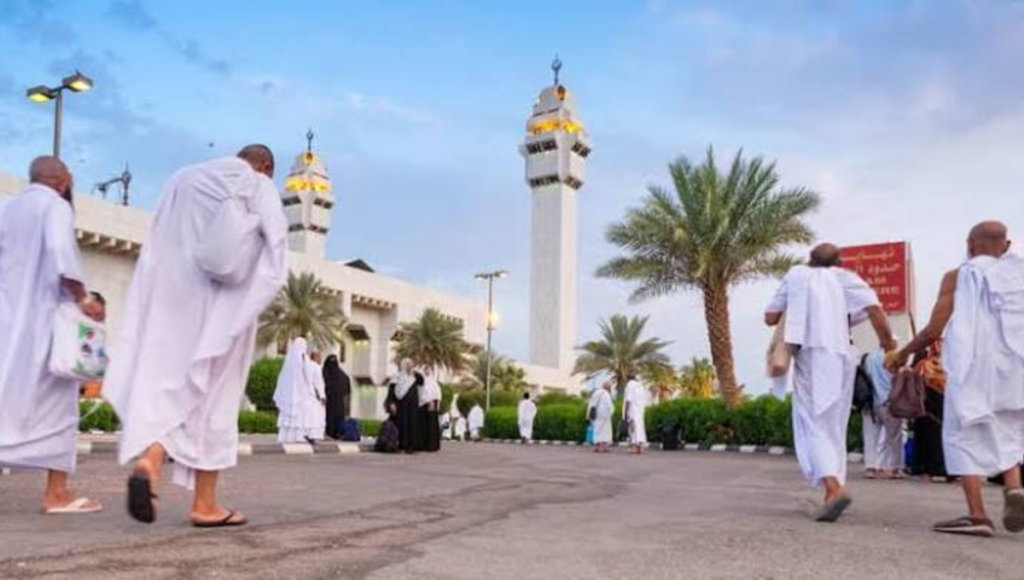
Ihram is the sacred spiritual state that every pilgrim must enter before performing the rituals, before Sa’i has begun, before any rite of Umrah has taken place. Halq is the final step to the sacred state that legitimatizes all acts of Umrah, its performance matters more than almost anything else you prepare for your journey. Pilgrims from the UK who arrive in the country for their first ever umrah know what to expect in broad terms: men wear white clothes, women dress modestly, certain things are forbidden. What is hazy and covered in full in this guide are the details behind those basics. What is Ihram and why does it exist exactly, what becomes haram when you enter it, practicalities, how do you sleep, go to the toilet etc. and if something goes wrong with Ihram. What Is Ihram? Ihram refers to the state of purity in which Muslim Pilgrims are obliged to enter before their pilgrimage, as well as the actual garments worn by pilgrims performing Hajj and Umrah. It should state the obvious: The word originates from its Arabic root haramas in forbidden or sacred, since entering into Ihram makes things that were once allowed to be forbidden and therefore at once sanctifying the pilgrim as one who has stepped out of ordinary life temporarily for higher ideals. The prophet ﷺ said about Ihram garments: Do not wear shirts, turbans or trousers or hooded cloaks or shoes except that one who cannot find sandals (should wear them); but let him shorten them from his ankles down. (Sahih Bukhari 1542) When a worshipper enters in prayer, he begins with Takbeer but thereafter there are restrictions on him; similarly a pilgrim goes into Ihram of Umrah and thereafter from that moment until the pilgrimage is completed he has certain restrictions enforced upon him. Ihram is in reality not just an attire. This is a method of spiritual orientation all the way through. The apparel on men is white cloth all around which stands everyone similar to the person next to him; every pilgrim appears as someone with no possessions, no symbols of rank, there is not one king or factory worker standing apart from each other. This equality is serious and one of the strongest things about standing at the Haram. How to Enter the State of Ihram A pilgrim does several things before he puts on Ihram. It is strongly recommended (Sunnah) because of evidence from the Prophet ﷺ which has been reported by many Companions. For instance, if Ghusl cannot be performed by an ailing person or someone who has other justifiable reasons, the pilgrim can enter Ihram without performing Ghusl and their Umrah would still count. Before Ihram, wearing perfume is allowed and it is sunnah. Essentially, you must put perfume on the person before putting your Ihram on not putting it on the clothes themselves. Using perfume on clothes when putting on Ihram is completely prohibited. Your fragrance at the time and also afterwards when you are in Ihram must be none. Nails must be cut, and body hair removed before entering Ihram for men as these are not permissible once the state has commenced. Then the intention (niyyah) for Umrah is made and thereafter Talbiyah: Labbayk Allahumma Labbayk, Labbayk la shareeka laka Labbayk, innal-hamda wan-ni’mata laka wal-mulk lab-yad. It should be recited from entering Ihram until commencing Tawaf. For a UK pilgrim flying to Jeddah, you will usually be crossing the Miqat (the point at which Ihram must be entered) whilst you are still in the air. Pilgrims are typically advised well before crossing the Miqat to have completed changes into their Ihram clothes and made their intention prior to crossing the Miqat, which is usually announced by airlines operating Umrah routes. Men’s Ihram: What to Wear For Men, Ihram is two unstitched white plain cloths. The rida, covering the upper body and draped over the left shoulder and under the right. The izar ranges from the waist down about the lower body. However, neither cloth is sewn together or tied/tacked with pins even if you wear a money belt or waist belt. Men are also supposed to stay away from any type of head covering during Ihram. No cap, no turban, nothing on the head. The shoes can not be covered at all on the top of the foot or ankle; only open sandals. As in the above hadith, if sandals are not really available shoes are allowed to wear after cutting below ankle level. Ihram clothing doesn’t have to new; it just needs to be unsoiled. Your Ihram can be washed throughout the journey and you would wear them once again, changing or washing your clothes do not break the state of Ihram. Women’s Ihram: What to Wear Women, on the other hand, have a way more simplistic approach to their Ihram. Women are also allowed to dress in any modest loose fitting and generally ample covering article of clothing that covers their body, but nothing is mandated there is no color or specific garment, however white is a common colour. Main conditions are: loose fitting cloth, non-translucent and covering all of the body except for face and palms. Women must keep their faces uncovered. It is prohibited to wear niqab or face veil (purda) in the state of Ihram. Which is proved in the hadith of Ibn Umar: The Messenger of Allah (ﷺ) forbade the woman pilgrim to cover her face. While some scholars allow a woman to drop her head covering over her face when in the presence of non-related men (effectively, lowering her veil), a true niqab is forbidden. Women must not wear gloves. Just like in the case of a face, the hands should not be covered during Ihram. Women must cover their hair. Ihram forbids head covering, but a hijab is obligatory and the head must be covered throughout your time in Ihram. Menstruating women can wear ihram and do all that they have to until the